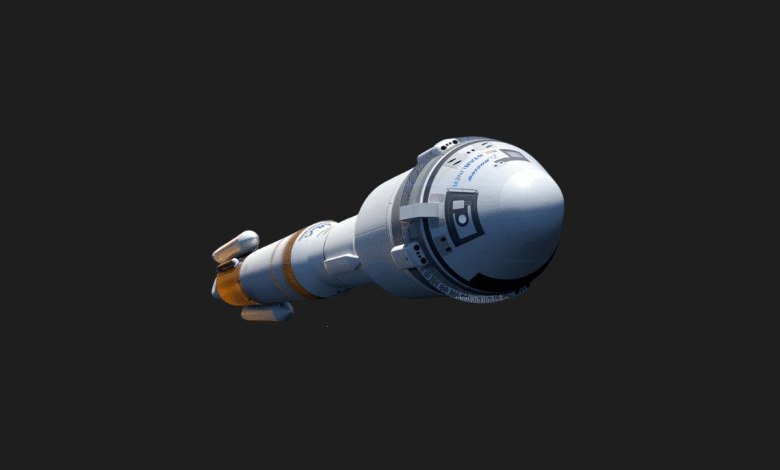

Dangerous moments were experienced: The decision for Starliner’s last flight to return uncrewed stemmed from serious issues in the vehicle’s thruster system. NASA decided to reduce the planned number of missions to four to fully certify the system and align with the ISS’s operational needs.
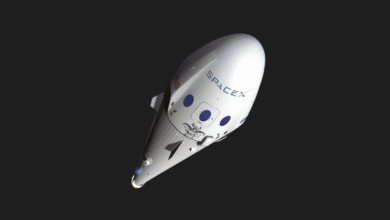
NASA, the US National Aeronautics and Space Administration, ended months of speculation regarding the next flight of Boeing’s Starliner spacecraft. In the official statement, it was confirmed that the vehicle will only carry cargo to the International Space Station.
NASA and Boeing set the earliest target date for the uncrewed Starliner-1 mission as April 2026. NASA added that rigorous testing, certification, and mission readiness activities must be completed by this date.
NASA Commercial Crew Program Manager Steve Stich stated, “NASA and Boeing continue to rigorously test the Starliner propulsion system in preparation for potential two flights next year.” This decision followed challenges faced by Boeing during the development process and issues with the spacecraft’s propulsion system.
Mission Count Reduced: Why Only Cargo?
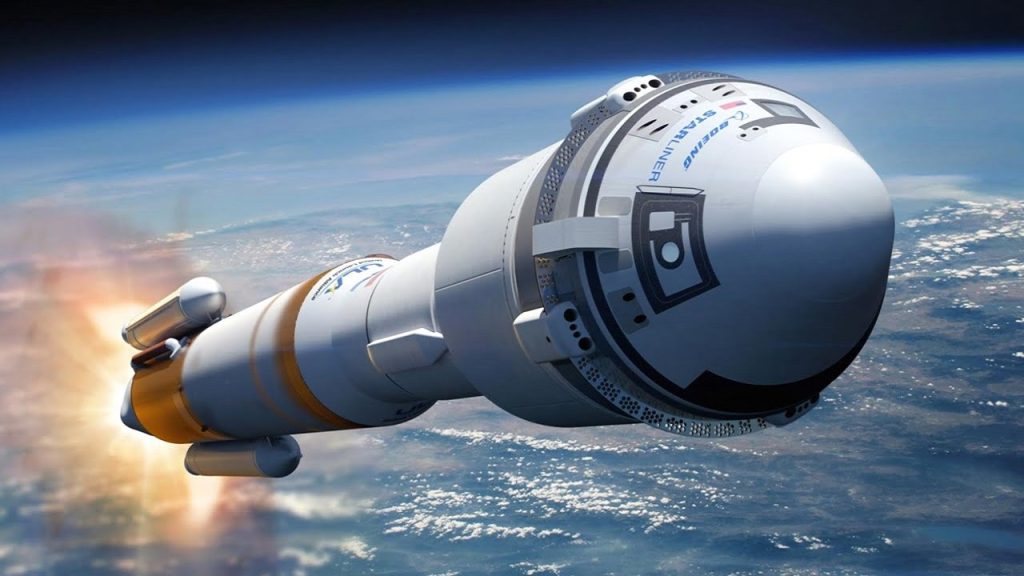
NASA announced it reached an agreement to modify the Commercial Crew contract signed with Boeing in 2014, which envisioned six crewed flights following certification. According to the new plan, Starliner-1 will primarily carry cargo, followed by a maximum of three additional missions until the ISS is retired.
Stich stated that this change would allow NASA and Boeing to focus on safely certifying the system in 2026, performing Starliner’s first crew rotation when ready, and planning future missions based on the station’s operational needs until 2030.

In 2014, both SpaceX and Boeing signed contracts to develop crewed spacecraft. While SpaceX performed a successful crewed test flight in mid-2020 and its first operational mission later that year with the Crew Dragon vehicle, Boeing faced difficulties during development. Consequently, Dragon became a reliable transport system for NASA.
Starliner’s first uncrewed flight in December 2019 was interrupted by software issues, and the vehicle was nearly lost. Its second mission, Orbital Flight Test 2 (May 2022), was more successful and reached the ISS despite some thruster problems.
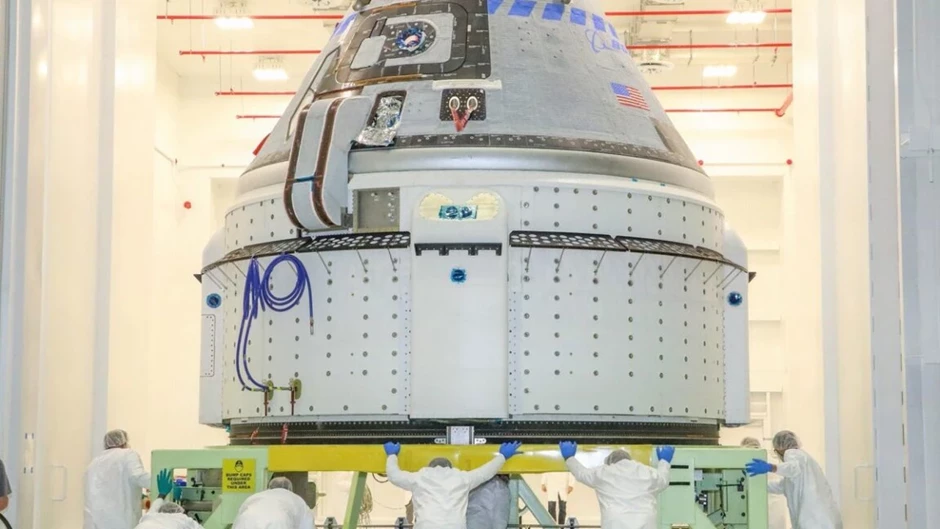
During the subsequent first crewed flight carrying astronauts Butch Wilmore and Suni Williams, Starliner again experienced serious thruster issues while approaching the ISS. The danger of this flight became clear nearly a year later. Starliner managed to dock, but after heated discussions, NASA decided the vehicle should return to Earth uncrewed.
As a result, to bring the crew back safely, a Dragon mission carrying only two astronauts launched in late 2024, and Wilmore and Williams returned safely to Earth in March 2025.
Following the incident, the expectation that Boeing needed to conduct an uncrewed flight to prove the safety of its propulsion system was officially confirmed. Since the cause of the thruster issues typically occurs in the “service module” jettisoned during atmospheric entry, making diagnosis difficult, Boeing remains largely silent about changes to the propulsion system.
You Might Also Like;